
Optimal Timing for Tree Removals
Understanding the optimal timing for tree removals is essential for safety and health considerations. The best time often depends on the tree species, local climate, and specific circumstances surrounding the removal. Proper timing can minimize damage to surrounding vegetation and reduce risks associated with falling branches or trees.
Spring can be suitable for tree removal when trees are still dormant or just beginning to leaf out, reducing stress on remaining vegetation.
Summer removals are generally avoided due to active growth and higher risk of pest spread, but may be necessary in urgent cases.
Fall is often considered ideal for tree removal as trees enter dormancy, minimizing stress and damage.
Winter is optimal for many removals because the ground is frozen, providing easier access and reducing soil disturbance.
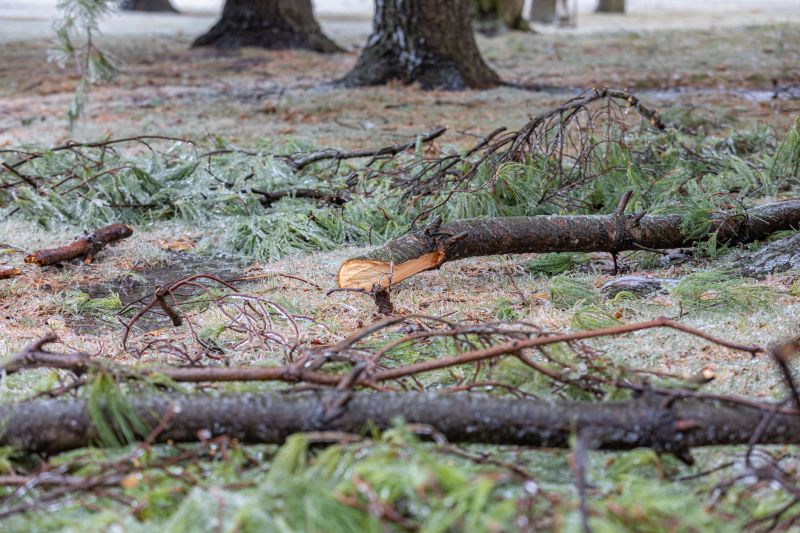
Tree removal during winter prevents damage to surrounding plants and soil.
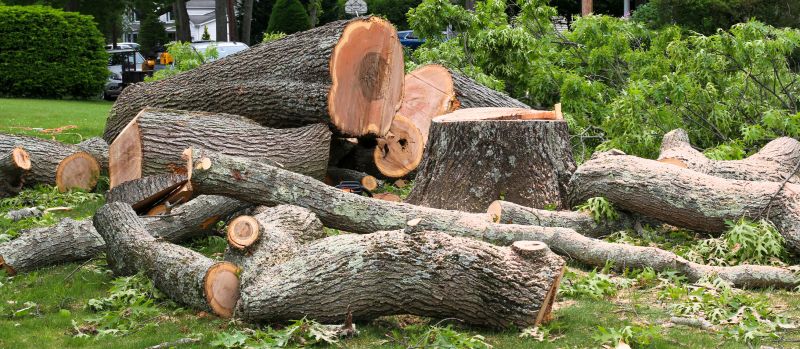
Spring removals are best when trees are dormant, reducing stress on nearby vegetation.
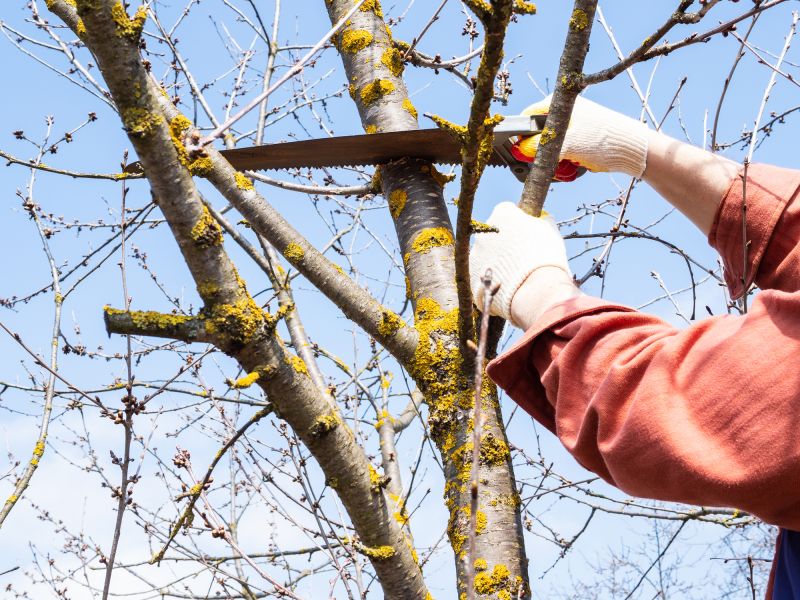
Summer removals require caution due to active growth and higher pest activity.
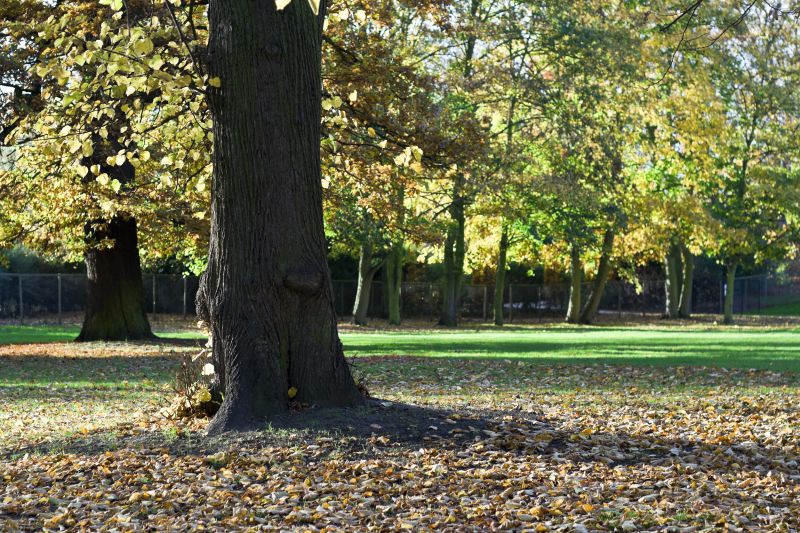
Fall is a favorable time as trees are in dormancy and soil conditions are stable.
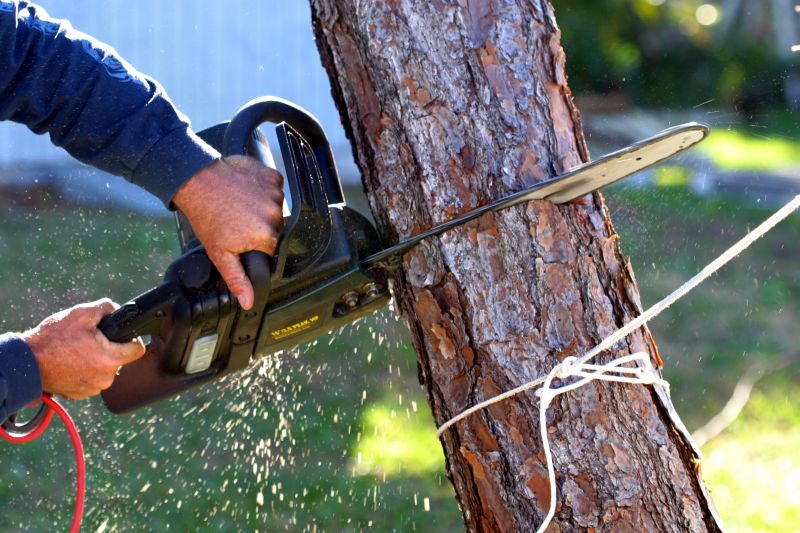
Optimal removal days are dry with minimal wind to ensure safety and precision.
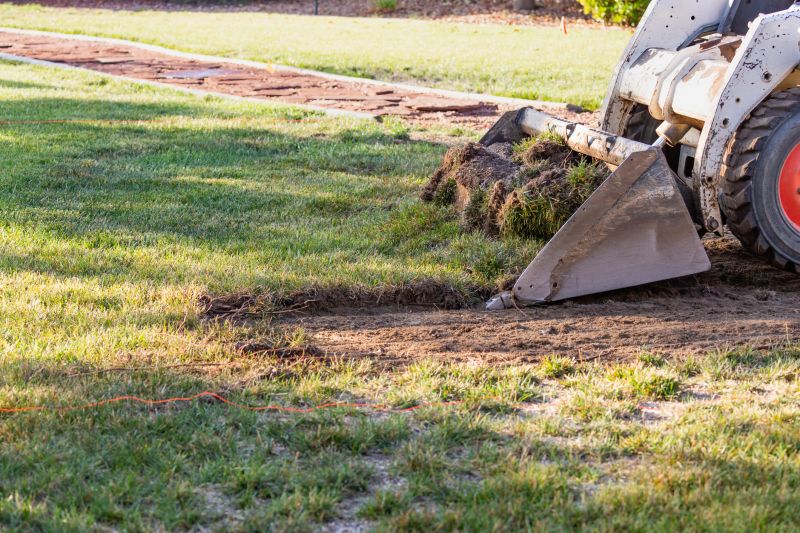
Frozen ground in winter allows for easier equipment access and less soil disruption.
| Season | Best Practices |
|---|---|
| Spring | Remove trees before leaf-out to reduce stress. |
| Summer | Avoid unless urgent; monitor pest activity. |
| Fall | Ideal for dormant trees; minimizes damage. |
| Winter | Best for frozen ground; easier access. |
| Emergency | Can be performed any time if safety is compromised. |
Tree removals are a critical part of landscape management, ensuring safety and health of the property. Proper timing can prevent damage to surrounding vegetation and reduce risks associated with falling branches or unstable trees. Seasonal considerations, weather conditions, and specific tree species all influence the optimal removal period.
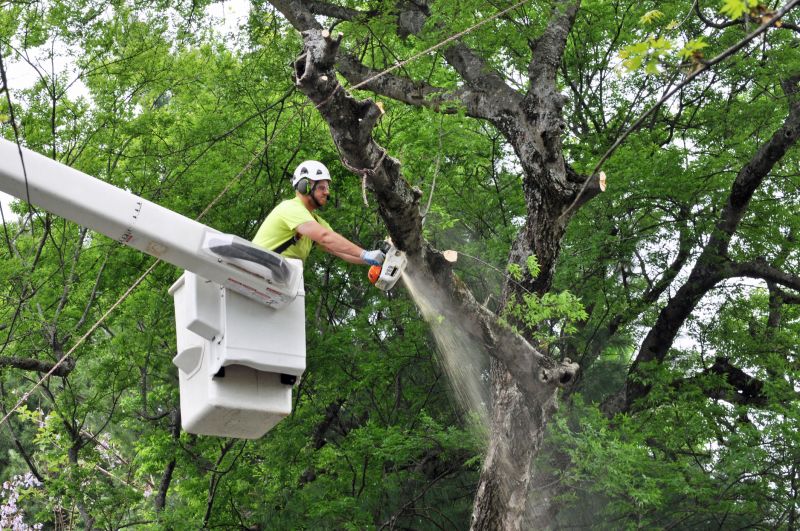
Specialized equipment is used for safe and efficient tree removal.
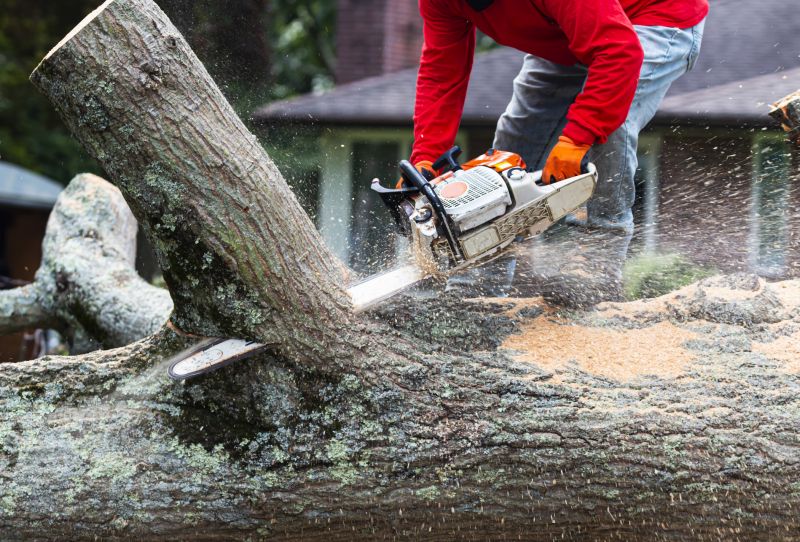
Careful planning ensures minimal impact on the landscape.
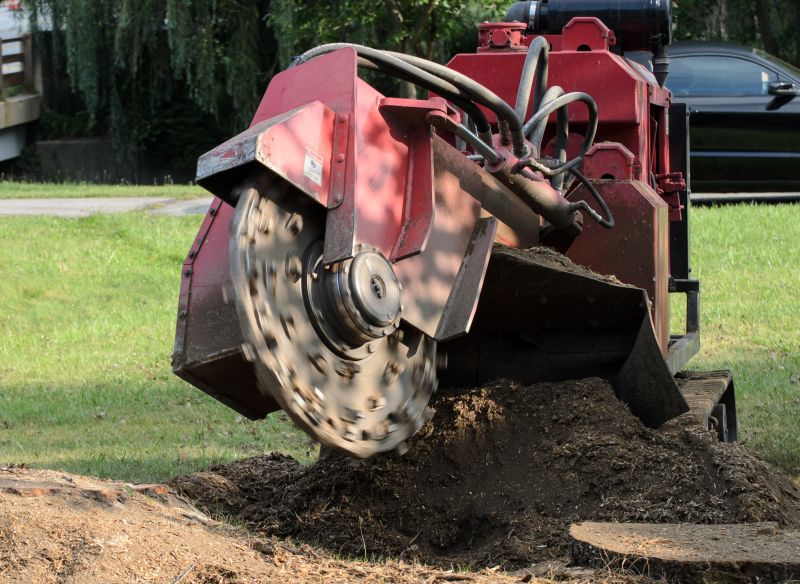
Post-removal stump grinding prevents regrowth and hazards.
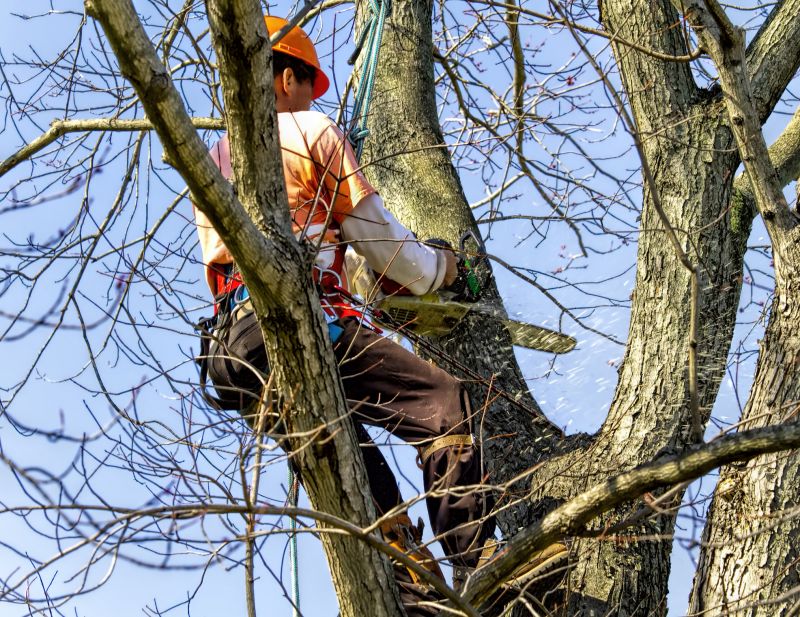
Proper safety gear is essential for worker protection.
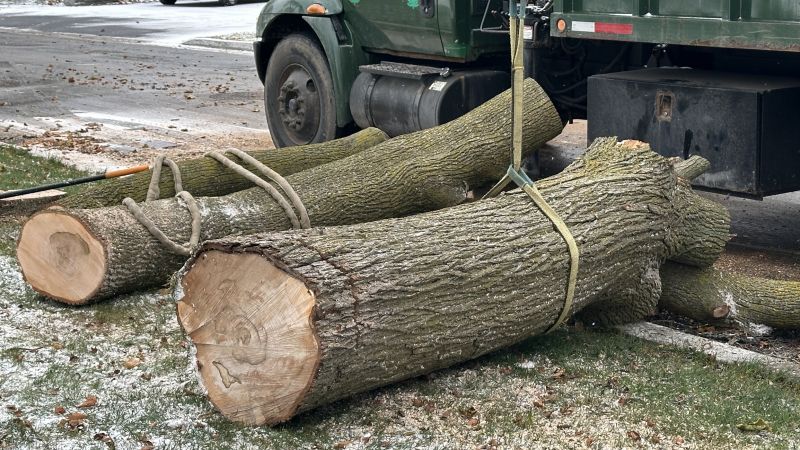
Ways to make Tree Removals work in tight or awkward layouts.
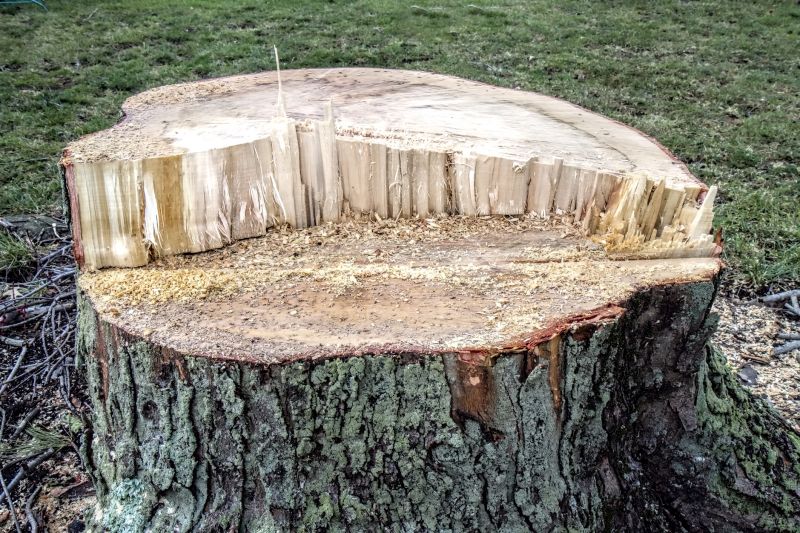
Popular materials for Tree Removals and why they hold up over time.
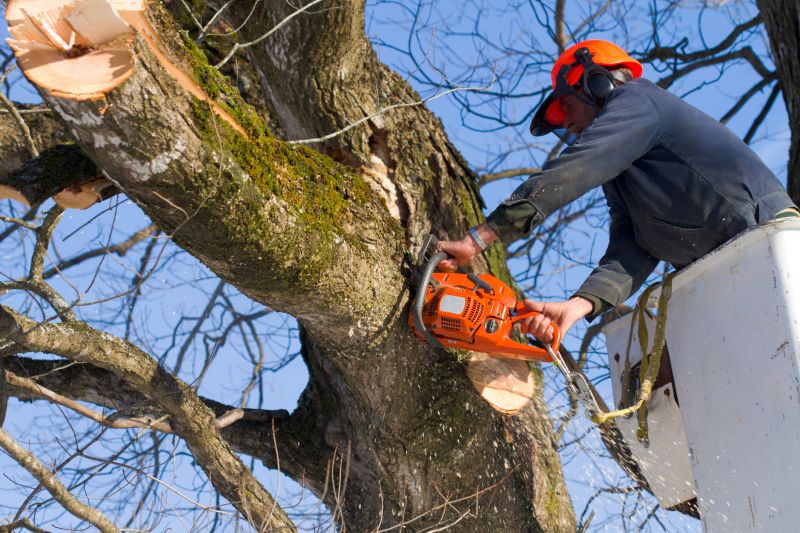
Simple add-ons that improve Tree Removals without blowing the budget.
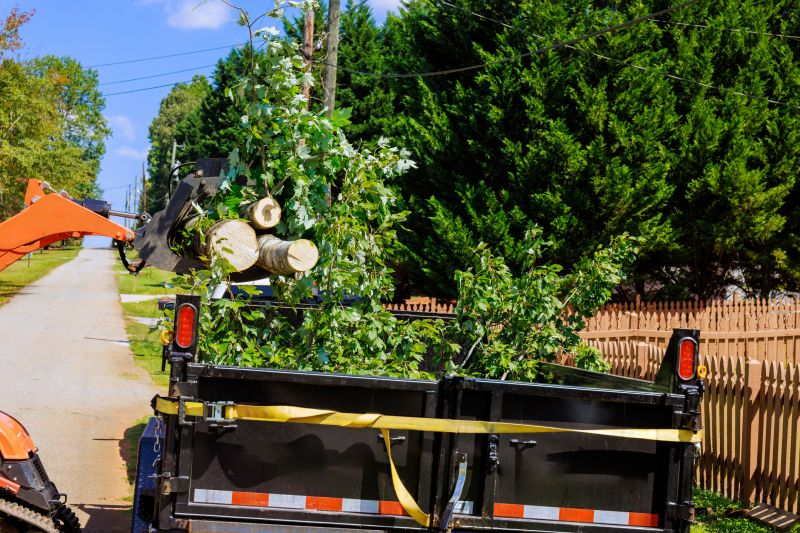
High-end options that actually feel worth it for Tree Removals.
Interested in scheduling a tree removal? Filling out the contact form can provide more information and help determine the best timing for specific needs. Proper planning and execution ensure safety and landscape health.